Fire Suppression Systems — MOD & Non-MOD Estate
Protecting secure data rooms and sensitive facilities where standard fire approaches do not work
Visual Overview
Project Overview
Client & Sector:
Client:
MoD (Multiple Sites)
Sector:
Defence / Fire Engineering
Project Tags:
Fire Engineering
Gaseous Suppression
Project Management
Secure Sites
The Challenge
The Brief and The Reality
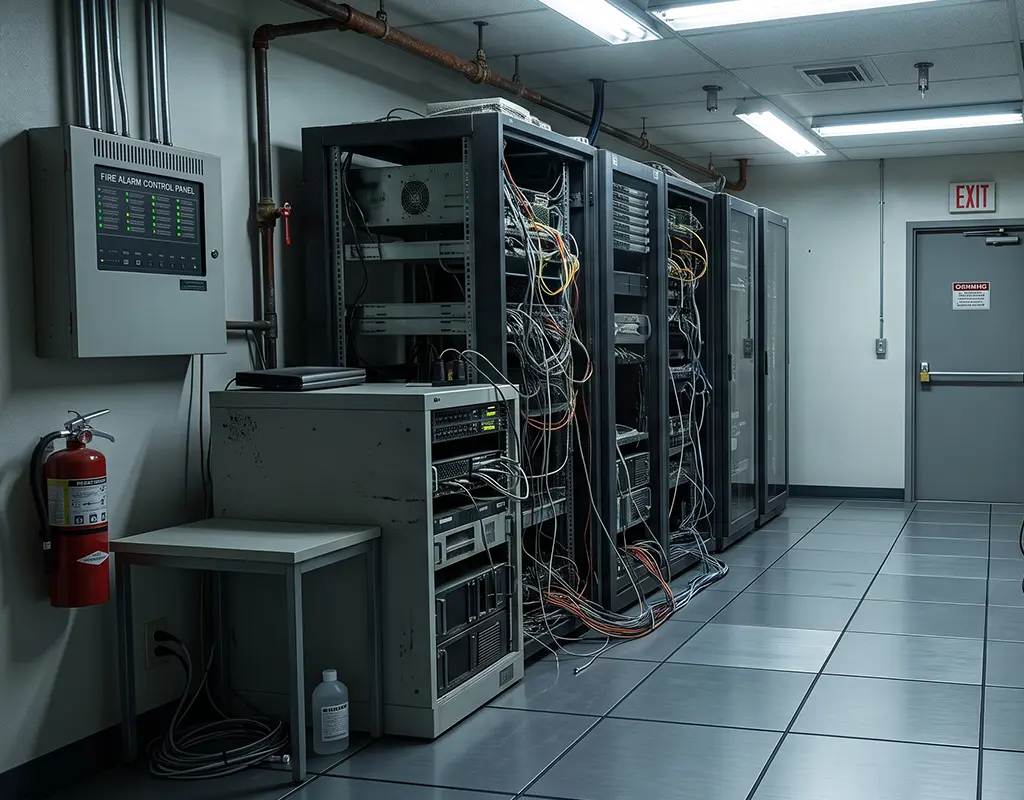
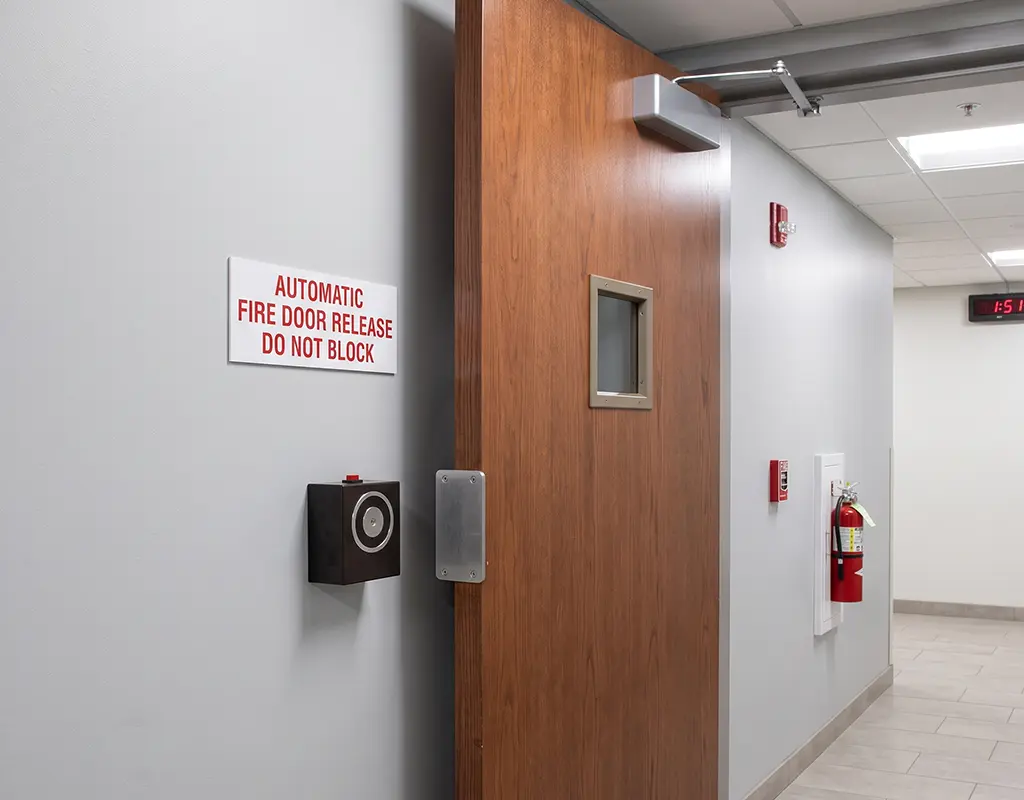
Multiple MOD and non-MOD facilities were carrying unacceptable fire risk in data rooms and sensitive areas, with no adequate suppression in place. In one notable project, approximately 15 secure data rooms within a single MOD facility required a fully coordinated gaseous fire suppression solution. The challenge was not just technical: aggregated documentation required a higher security classification, over-pressure management needed careful calculation, and full coordination was required across the existing site ventilation system, fire alarm network, and fire door release systems — all under close liaison with building control and the nominated MOD fire officer.
The Outcome
How 360DS Approached It Differently
360DS designed and project managed gaseous fire suppression systems across the estate, specifying the right agent for each environment from CO2, FM-200, Novec 1230, Inergen (argonite/nitrogen mix), and oxygen depletion systems. For the 15-room MOD project, out-of-the-box thinking resolved safe disbursement and over-pressure of the suppression agent, coordinated smoke purging with the complex site ventilation system, integrated fire door automatic release and site fire alarm systems, and satisfied both building control and the MOD fire officer — with all documentation handled at the appropriate security classification throughout.
Client Outcomes
What Changed For Them

Fire risk eliminated across all protected spaces.
Gaseous suppression systems designed to the correct agent and concentration for each specific environment — not a generic solution applied site-wide.

Complex multi-system coordination delivered.
Complex multi-system coordination delivered. Suppression, ventilation, alarms, and door release systems all integrated — eliminating conflicts that uncoordinated single-discipline design routinely creates.

Security classification maintained throughout.
Aggregated documentation handled at the required classification level — no compromise to site security protocols during design or delivery.

Building control and MOD fire officer sign-off achieved.
Close liaison from the outset ensured designs met statutory requirements and MOD-specific obligations — no late-stage redesign.